Introduction: The Revolution in Digital Transactions
The way we handle money, conduct commerce, and settle debts has undergone a rapid and profound transformation in the last decade. This shift moves decisively away from physical cash and plastic cards toward the convenience of digital wallets.
This trend, driven by widespread smartphone adoption and enhanced security technologies, has propelled mobile payment apps from niche tools to indispensable daily necessities. These applications allow users to instantly send money to friends, pay for goods and services, and manage financial accounts with just a few taps on a screen. The rise of these platforms offers unprecedented speed and accessibility, eliminating the need to carry bulky wallets or search for loose change.
However, the rapid growth of this industry has created a crowded and often confusing marketplace. Dozens of apps offer similar yet distinctly different feature sets, fee structures, and security protocols.
For the average consumer, choosing the right mobile payment app is no longer simply about finding the most popular option. It is a critical decision that impacts transactional speed, safety against fraud, and integration with existing bank accounts. Selecting the wrong platform can lead to frustrating compatibility issues, hidden transaction fees, or, worst of all, expose sensitive financial data to security risks.
Successfully navigating this digital ecosystem requires a clear understanding of the operational models—whether the app focuses on peer-to-peer (P2P) transfers, point-of-sale (POS) integration, or cryptocurrency services—and a rigorous evaluation of their underlying security measures. This comprehensive guide will meticulously dissect the leading mobile payment applications across various categories, analyzing their core features, comparing their fee schedules for instant transfers, and detailing the essential security precautions users must take. By providing a strategic framework for comparing these digital tools, we aim to empower you to select the platform that seamlessly aligns with your daily spending habits while guaranteeing the highest level of financial protection.
Part I: The Rise of Peer-to-Peer (P2P) Leaders
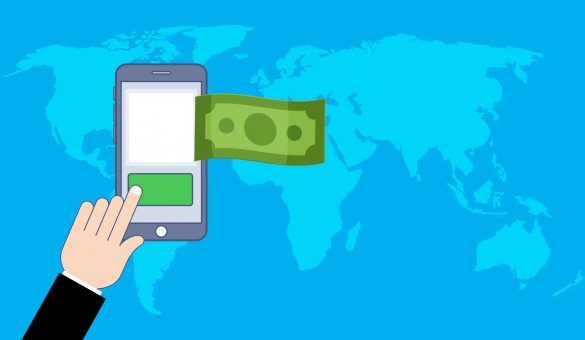
The most common use of mobile payment apps is for instantly sending money between individuals, often referred to as Peer-to-Peer (P2P) transfers.
A. PayPal and Venmo (The Pioneers)
PayPal is the pioneer in digital transactions, while its subsidiary, Venmo, popularized the social element of P2P payments, especially among younger users.
- Venmo’s Social Integration: Venmo focuses on making payments social, allowing users to share payment details with emojis and short descriptions. It is ideal for splitting bills, rent, or group purchases quickly.
- Core Fee Structure: Standard transfers from Venmo or PayPal to a linked bank account are typically free and take 1 to 3 business days. However, instant transfers from the app balance to a bank account often incur a small fee, usually 1% to 1.75% of the transferred amount.
- PayPal’s Global Reach: PayPal retains the advantage for international transactions and integration with vast numbers of online merchants, making it the more versatile platform for global commerce.
B. Zelle (The Bank-Backed Alternative)
Zelle operates differently, as it is a digital payment network directly integrated into the mobile banking apps of hundreds of traditional U.S. banks.
- Direct Bank Transfer: Zelle facilitates direct, real-time transfers between bank accounts, meaning the money often moves instantly without residing in a separate digital wallet balance. This is often faster than other P2P apps.
- Safety and Fees: Since Zelle is integrated into banking apps, it offers a high degree of security. Transfers are almost always free, but they are often irreversible, making it crucial to send money only to trusted contacts.
- The Integration Advantage: Zelle’s greatest strength is its seamless operation within your existing bank’s security and interface, requiring no separate app download for users of participating banks.
C. Cash App (The Versatile Fintech)
Cash App (developed by Square/Block) has expanded beyond P2P to offer a full suite of financial services, often attracting users seeking investment options.
- Bitcoin and Stock Integration: Cash App uniquely allows users to buy and sell fractional shares of stocks and Bitcoin directly within the app, blending transactional banking with basic investment tools.
- Cash Card: It offers a customizable prepaid debit card (“Cash Card”) linked to the app balance, which allows users to spend their P2P funds in physical stores and online.
- Business Use: It also facilitates business accounts, making it a simple option for small businesses or side hustles to accept payments instantly.
Part II: Point-of-Sale (POS) and Contactless Payment
This category focuses on apps that facilitate physical, in-store payments via smartphone, often using Near Field Communication (NFC) technology.
A. Apple Pay and Google Pay (The Ecosystem Leaders)
These platforms, backed by major tech ecosystems, dominate the contactless POS payment space.
- NFC Technology: Both use Near Field Communication (NFC) technology, which allows the phone to transmit payment data securely to a POS terminal by simply tapping the device near the reader.
- Security via Tokenization: They offer superior security through tokenization. Instead of sending the actual card number to the merchant, a unique, encrypted “token” is transmitted. This ensures the merchant never sees the card details, protecting against data breaches.
- Universal Acceptance: Acceptance is widespread, as they integrate seamlessly with most modern POS systems globally. They can store multiple credit, debit, and loyalty cards digitally.
B. Samsung Pay (The MST Advantage)
Samsung Pay offers a unique advantage by integrating an older payment technology alongside modern NFC.
- MST (Magnetic Secure Transmission): Samsung Pay devices can emulate the magnetic stripe signal of a traditional plastic card. This allows the device to work on older, non-NFC payment terminals that rely on swiping, giving it broader acceptance in older retail environments than Apple Pay or Google Pay.
- Flexibility: This dual-technology approach makes Samsung Pay arguably the most universally compatible mobile wallet in physical retail settings.
C. Fee Structure (Generally Free)
Payments made via Apple Pay, Google Pay, or Samsung Pay are essentially treated like standard credit card transactions.
- Consumer Cost: There are typically no fees charged to the consumer for making a contactless POS payment, as the transaction fees are absorbed by the merchant and the credit card network.
- Security: The combination of tokenization and biometric authentication (Face ID, fingerprint scan) makes these transactions more secure than traditional card swiping.
Part III: Security Essentials and Avoiding Scams
The convenience of mobile payment apps must be balanced by rigorous security practices to prevent fraud and financial loss.
A. Essential App-Level Security
Users must utilize the security features built into their mobile devices and the payment apps themselves.
- Biometric Authentication: Always enable and utilize biometric security (fingerprint, Face ID) for opening the app and authorizing payments. This ensures that a lost or stolen phone cannot be used to access funds.
- Strong Passwords/PINs: Use complex, unique passwords or PINs for your phone and the app itself, providing a layered defense against unauthorized access.
- Two-Factor Authentication (2FA): Enable 2FA for all associated bank and email accounts. This requires a secondary verification code, often sent to a separate device, before login is granted.
B. Avoiding P2P Scams
The speed and irreversibility of P2P apps make them prime targets for common scams.
- Verify Recipient: Always double-check the recipient’s phone number, email, or username before sending funds. P2P transfers are often instantaneous and cannot be reversed by the bank or app provider.
- The “Accidental Send” Scam: Be wary of strangers claiming to have accidentally sent you money and requesting a refund. These are often fraudulent, as the initial payment may have used a stolen card that will eventually be reversed, leaving you liable for the refunded amount.
- Avoid Purchases from Strangers: Never use P2P apps (like Venmo or Cash App) to purchase goods or services from strangers, as these platforms do not offer the consumer fraud protection provided by credit card companies.
C. Protecting Financial Links
- Monitor Linked Accounts: Set up transaction alerts on your primary bank account and credit cards linked to the mobile payment apps. This allows for immediate detection of unauthorized activity.
- Limit Stored Balances: Do not keep large cash balances stored within the app itself. Immediately transfer funds received via P2P apps to your bank account for the security of FDIC insurance (which P2P app balances may not carry).
Part IV: Integrating Mobile Payments into Financial Strategy
Mobile payment apps are valuable tools that should be integrated into a larger, intentional financial plan.
A. Managing Spend and Budgeting
Mobile payment apps provide immediate, digital records that can streamline budgeting.
- Automated Tracking: The digital ledger provided by the apps makes it easy to track spending across various categories (dining, entertainment) and export data to budgeting software (e.g., YNAB, Mint).
- Digital Envelope System: Use the digital wallet feature of an app to practice the envelope budgeting system by keeping specific funds separate for different categories (e.g., $100 for discretionary spending).
B. Business and Freelance Transactions
Mobile payment apps offer simple, low-cost solutions for small business owners and freelancers.
- Quick Invoicing: Apps like PayPal and Cash App allow for the quick generation of simple digital invoices, providing a professional and immediate way to bill clients.
- Tax Documentation: Using a single app for all business-related income simplifies year-end tax documentation and separates business income from personal P2P transactions.
C. The Fee Calculation: Instant vs. Standard
Always evaluate whether the convenience of an instant transfer fee is justified by the immediate need for the cash.
- Cost-Benefit Analysis: If the instant transfer fee is 1.75% of $1,000 ($17.50), consider if waiting 1-3 days for the free standard transfer is worth saving the fee. Avoid the instant transfer unless the money is needed for an urgent bill or emergency.
- Alternative Access: If the app offers a linked prepaid debit card (like the Cash Card), this provides instant access to the balance at an ATM (often with fees) or POS terminal (usually free), bypassing the instant transfer fee entirely.
Conclusion: The Era of Secured Digital Flow
Mobile payment apps are essential tools that power the secured digital flow of modern consumer finance, offering unparalleled speed and convenience for peer-to-peer transfers and point-of-sale transactions. The optimal choice of app depends on the user’s primary need, with Zelle offering seamless, free bank integration, and Apple Pay/Google Pay providing superior tokenized security for physical payments.
Successfully leveraging these platforms requires stringent security hygiene, including the mandatory use of biometric authentication and two-factor verification to defend against fraud. Crucially, users must treat these apps as transactional tools, avoiding the risky practice of storing large balances outside the protection of FDIC-insured bank accounts.
By understanding the varying fee structures and prioritizing the security features of these digital wallets, consumers can navigate the mobile payment ecosystem with confidence, ensuring their transactions are not only quick but also fully protected.