
Introduction: The Unshakeable Foundation of Financial Security
In the complex and often unpredictable world of personal finance, while strategies for investing and wealth creation capture most of the attention, the most critical element for enduring stability is the often-overlooked Emergency Fund. This dedicated pool of accessible cash is not an investment designed for growth; rather, it is a vital defensive mechanism, a financial shield designed to absorb life’s inevitable, unexpected shocks without derailing youxr long-term goals or forcing you into high-interest debt.
From sudden job loss and unexpected medical bills to major car repairs or emergency travel, these unforeseen events are not “if” scenarios, but “when” scenarios. Relying on credit cards or high-interest personal loans to cover emergencies is a financially devastating decision that instantly transforms a temporary crisis into a permanent cycle of high-cost debt.
A fully funded emergency cushion provides immediate liquidity, allowing you to handle the crisis without incurring interest charges, selling off investment assets at a loss, or dipping into retirement savings. This single fund is the difference between weathering a storm with peace of mind and facing a financial collapse that takes years to recover from.
Creating this foundational safety net requires making two crucial, strategic decisions: determining the appropriate funding target and selecting the optimal location for storing the funds. The target amount must be meticulously calculated based on an honest assessment of your living expenses and job security.
Meanwhile, the storage location must balance the opposing demands of absolute safety and quick accessibility. This comprehensive guide will meticulously break down the essential components of the emergency fund strategy. We will detail how to calculate your personalized savings goal, analyze the various financial accounts best suited for storage, and explore practical strategies for building this critical fund quickly and efficiently, ensuring your financial foundation is unshakeable regardless of what curveballs life throws your way.
Part I: Calculating Your Personalized Savings Target

Determining the exact amount needed for your emergency fund is the first, most crucial step. This calculation is based on your essential monthly expenses and your personal risk profile.
A. Define Essential Monthly Expenses (The Baseline)
The target is not based on your total monthly income, but strictly on the non-negotiable costs required to survive.
- Housing: This includes rent or mortgage principal, interest, taxes, and insurance (PITI).
- Utilities: Mandatory costs like electricity, gas, water, and basic sanitation.
- Food: The basic grocery budget needed for essential sustenance, excluding all discretionary dining out or premium items.
- Transportation/Insurance: Minimum required car payment, fuel costs for work, and necessary insurance premiums (health, auto).
- Minimum Debt Payments: Only the minimum required payments on outstanding debts (credit cards, student loans) needed to avoid default.
B. The Core Rule: 3 to 6 Months of Expenses
The generally accepted minimum target for an emergency fund is 3 to 6 months of the essential expenses calculated above.
- 3 Months Minimum: This is the baseline recommendation, suitable for individuals with a high degree of job security (stable employment, high demand skill set) or a dual-income household where one income source can cover most expenses.
- 6 Months Target: This is the recommended safety level, suitable for those with average job security, moderate debt, or those working in a cyclical or unstable industry.
C. Adjusting for Higher Risk Profiles (9 to 12 Months)
Certain situations warrant saving more than the standard six months, sometimes stretching the target to 9 or even 12 months of expenses.
- Single-Income Households: Households relying on only one income stream for all expenses face maximum risk if that income ceases. A longer buffer is prudent.
- Commission/Self-Employed Workers: Income can fluctuate wildly. A larger fund is needed to cover extended periods of low earnings.
- High-Cost Healthcare Needs: Individuals with pre-existing conditions or chronic health issues should save extra to cover high, sudden out-of-pocket medical maximums or deductibles.
Part II: Where to Keep Your Emergency Fund (Accessibility vs. Growth)
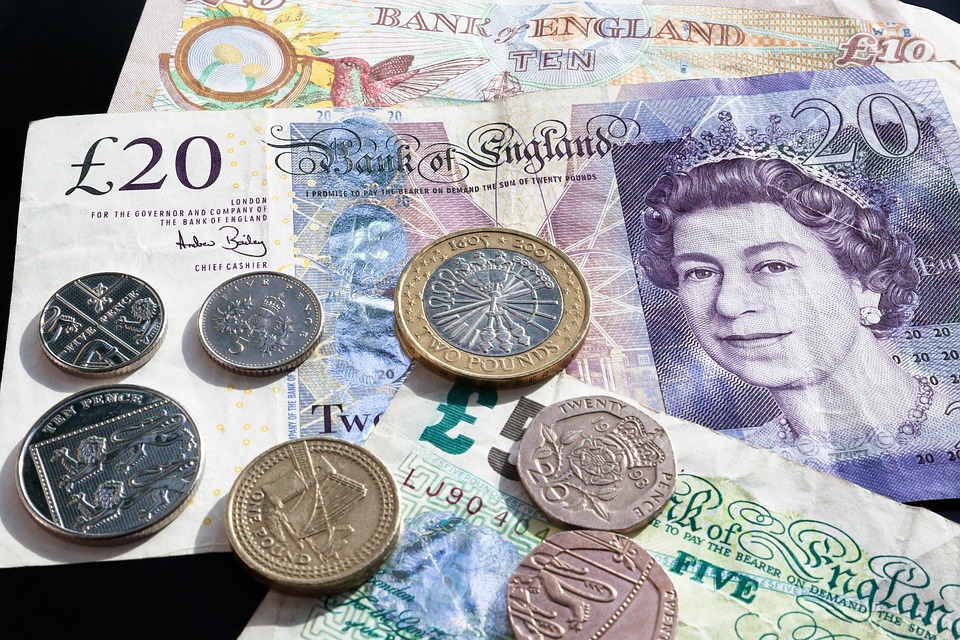
The location of your emergency fund is determined by two non-negotiable principles: safety and liquidity. Growth is secondary.
A. The Requirement for Liquidity and Safety
The fund must be instantly accessible and immune to market risk.
- Liquidity: The money must be convertible to cash within 24 to 48 hours without penalty or delay. This rules out CDs with early withdrawal penalties or retirement accounts.
- Safety (Zero Risk): The principal balance must be protected from loss. The fund should never be exposed to the volatility of the stock market.
B. Optimal Storage Locations
The best accounts prioritize high accessibility and FDIC/NCUA insurance.
- High-Yield Savings Accounts (HYSAs): This is the most recommended location. They are FDIC (or NCUA) insured, meaning the principal is protected up to $250,000 per account. They offer significantly higher interest rates than traditional savings accounts, maximizing passive growth while remaining fully liquid.
- Money Market Accounts (MMAs): These accounts are similar to HYSAs but may offer check-writing privileges or debit card access, providing slightly better liquidity while maintaining high interest rates and insurance coverage.
- Traditional Savings Accounts: These are safe and liquid, but their interest rates are often near zero. They are viable only if a HYSA is unavailable or too complex for the borrower.
C. Sub-Optimal and Unacceptable Storage
These accounts or instruments violate the principles of safety or liquidity.
- The Stock Market (Unacceptable): Investing the emergency fund is the most costly mistake. If the market crashes when you lose your job, you will be forced to sell assets at a loss, compounding your financial crisis.
- Certificates of Deposit (Sub-Optimal): While safe, CDs often carry early withdrawal penalties, violating the liquidity principle. They should only be used for funds earmarked for emergencies beyond the six-month core target (e.g., a “Tier 2” reserve).
- Checking Accounts (Sub-Optimal): While liquid, checking accounts offer zero or low interest. Keeping a massive fund here blends emergency money with daily spending money, increasing the risk of accidental use.
Part III: Strategies for Building the Fund Quickly
Building a multi-month fund can be daunting, but targeted, aggressive strategies can accelerate the process.
A. Budgetary Optimization and Automation
The emergency fund should be treated as a fixed expense—a non-negotiable bill—in your monthly budget.
- Automate Contributions: Set up automatic transfers to move a fixed amount from your paycheck directly to the HYSA immediately after payday. This eliminates the temptation to spend the money first.
- Treat It as Debt: Prioritize funding the emergency fund before aggressively attacking any debt with an APR under 7-8%. The safety of the fund often outweighs the benefit of marginally quicker debt repayment.
- “Sinking Funds” Integration: Use the emergency fund as the first line of defense, but also establish smaller “sinking funds” for predictable emergencies (e.g., car maintenance, annual insurance premiums). This prevents predictable costs from depleting the main reserve.
B. Leveraging Windfalls
Any sudden, unexpected cash infusion should be immediately redirected into the emergency fund until the target is met.
- Tax Refunds: Commit to sending 100% of any tax refund directly into the fund.
- Work Bonuses/Commissions: Allocate all non-salary bonuses, commissions, or unexpected revenue toward the fund until the six-month target is fully achieved.
- Selling Unnecessary Assets: Actively sell unused items (vehicles, electronics, furniture) through online marketplaces. The generated cash should be exclusively earmarked for the fund.
C. The Two-Tiered Approach (Advanced Strategy)
Once the 3 to 6-month primary target is met, an advanced borrower can partition their funds for optimized, safe growth.
- Tier 1 (Core Liquidity): Keep the first 3-6 months of expenses in the highly liquid HYSA. This is for immediate access.
- Tier 2 (Growth Reserve): The remaining 3-6 months (e.g., months 7-12) can be placed in a slightly less liquid, but slightly higher-earning instrument, such as a No-Penalty CD or short-term Treasury bills. This provides better returns on the reserve capital without sacrificing total safety.
Part IV: Common Mistakes and Misconceptions
Several common errors prevent individuals from properly funding or effectively using their emergency reserves.
A. Using the Fund for Non-Emergencies
The most frequent misuse is conflating true emergencies with foreseeable, desired expenses.
- Foreseeable Expenses: The fund is not for planned events like holiday shopping, vacations, or down payments. Those should be saved for in specific, separate sinking funds.
- Investment Opportunities: The fund is not for “timing the market” or capitalizing on a sudden investment opportunity. Removing cash for non-emergency growth compromises your financial defense.
- Justifying Impulse Purchases: Never use the fund to cover a major impulse buy or lifestyle inflation. The integrity of the fund must be maintained for true crisis moments.
B. Confusing Debt Payoff with Fund Building
It is a mistake to aggressively pay off low-interest debt (e.g., a 4% mortgage) before securing a fully funded emergency reserve.
- The Credit Card Trap: Without the fund, an emergency forces you to use a credit card at 20%+ APR. The interest incurred in that single emergency will often far outweigh the interest saved by aggressively paying the low-interest debt beforehand.
- The Right Order: The correct priority is: 1) Pay off high-interest debt (over 8% APR); 2) Fully fund the emergency reserve; 3) Aggressively pay off low-interest debt and maximize investments.
C. Under- or Over-Insuring the Fund
Ensuring the fund is correctly protected is a necessary technical step.
- FDIC Limits: While rare for most individuals, ensure that if you keep a very large emergency fund (over $250,000), the funds are spread across multiple, distinct financial institutions to maintain full FDIC or NCUA insurance coverage on every dollar.
- Inflation Neglect: While the fund is not for growth, acknowledge that inflation will erode its buying power. This is the accepted cost of liquidity and safety; however, keeping the fund in a HYSA helps mitigate this erosion.
Conclusion: The Ultimate Financial Defense
The emergency fund is the ultimate expression of sound financial planning, representing the indispensable cash reserve that safeguards all other financial goals. Determining the correct savings target requires a meticulous calculation of three to twelve months of essential living expenses, tailored precisely to the borrower’s job stability and financial risk profile.
The integrity of this strategy hinges on the storage location, which must prioritize absolute liquidity and safety, making the High-Yield Savings Account the unequivocally optimal choice. This fundamental reserve must be built quickly through budget optimization and the immediate redirection of all financial windfalls, treating the contribution as a non-negotiable fixed expense.
By maintaining the strict rule of never misusing the fund for non-emergency or investment purposes, the borrower ensures that their core financial defense remains fully operational. Ultimately, a fully funded, properly stored emergency fund is the single most effective barrier against debt and financial collapse, guaranteeing the stability required for future wealth accumulation.